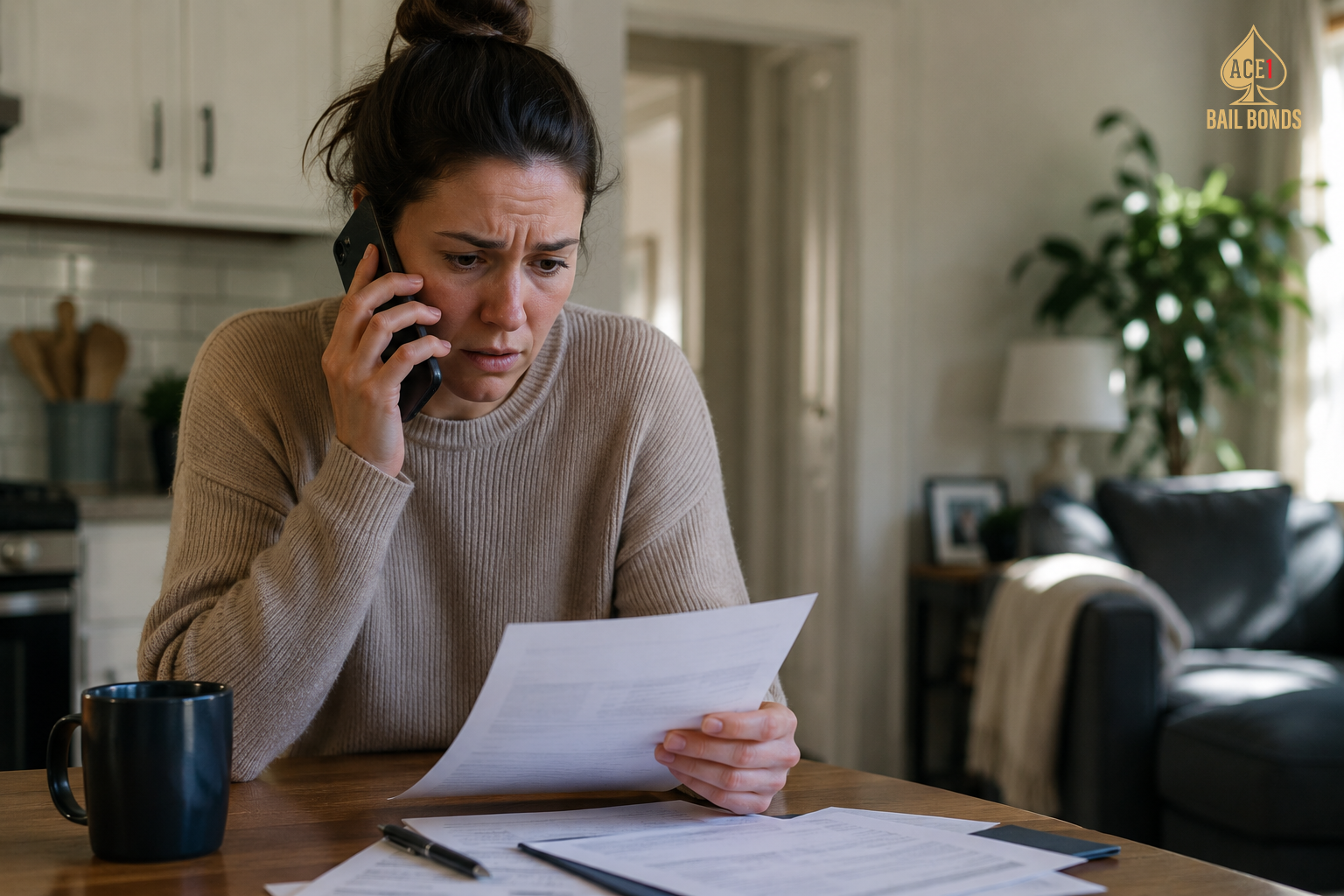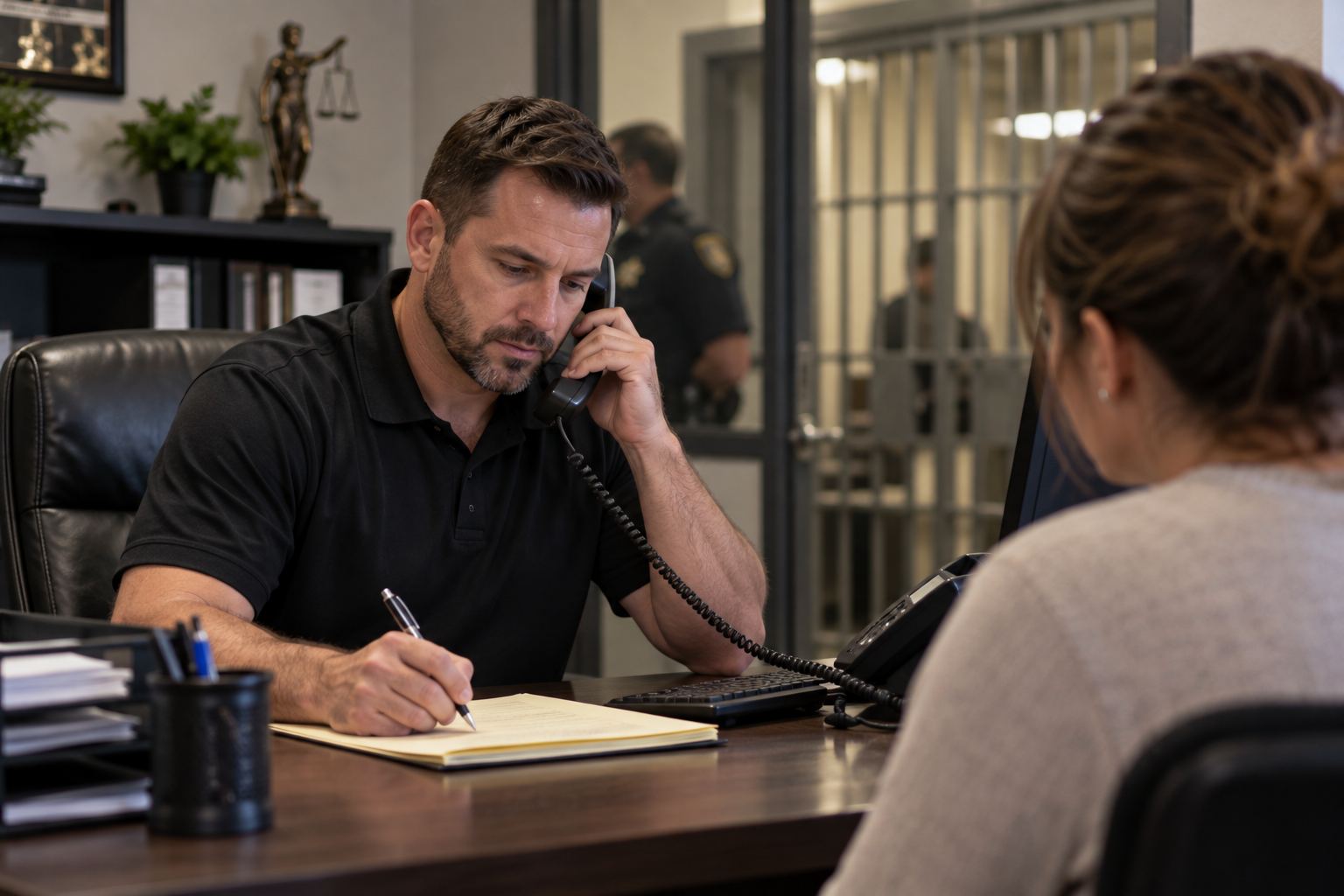
When someone gets arrested, those first few minutes can feel like a whirlwind – confusing, urgent, and downright overwhelming. But knowing what information to have ready when you call a bail bondsman can really help. It saves time, cuts down on stress, and gets the release process moving faster. If you're reaching out for help, having the right details on hand can make a real difference, especially when you need quick support from reliable bail bond services and clear guidance on what to do next.
At Ace1 Bail Bonds, families often ask what they should have ready before making that first call. The short answer is: gather the arrest details, the defendant’s personal information, the jail location, and any court documents you might have. This guide breaks down each item, explains why it matters, and helps you dodge common mistakes that can slow things down. For more on how bail works across the country, check out the U.S. Courts overview of bail bond basics, and for specifics on New York, the New York Courts site has you covered.
Why It's Important to Be Ready Before You Call
Quick Answers Mean Quick Action
When you call a bail bondsman, they'll kick off the chat with a few key questions. If you already have the answers, they can quickly figure out the bond amount, explain your options, and tell you what comes next. Speed is of the essence here because every delay can mean more time in custody, more stress for everyone, and more uncertainty for the person arrested.
Being prepared also helps the bondsman give you accurate info. A misspelled name, wrong jail name, or unclear charge can cause confusion and slow things down. Even if you don’t have every detail, having the basics ready gives the agent a good starting point and keeps the call focused.
Clear Info Helps Avoid Costly Mistakes
In stressful situations, people sometimes guess or rely on incomplete info. That can lead to paperwork errors, payment mix-ups, or bond posting delays. A well-prepared first call can nip these problems in the bud. If you're unsure whether something's important, it's usually worth mentioning.
This is especially true when dealing with families after an arrest. One person might know the jail info while another has the case number or charge details. Getting all the pieces together before you call makes for a smoother process. If you also need help with timing, our guide on why moving fast after an arrest can show you how quick action can reduce complications.
Key Arrest Details to Have Ready
Defendant’s Full Legal Name
The defendant’s full legal name is usually the first thing a bondsman will ask for. This helps them find the right booking record and confirm that everything matches up with the jail’s records. Even if the person uses a nickname or middle name often, make sure to provide their full legal name as it appears on official documents.
Accurate spelling is important too. A small mistake can make it hard to find the person in the system, especially if their name is common. If you have an ID, booking sheet, or court paperwork, keep it nearby during the call to confirm the exact spelling.
Date of Birth and Age
A date of birth is another key identifier. Many people share similar names, so a birth date helps confirm you’ve got the right person. It also helps figure out if there are any age-related steps at the jail.
If you don’t know the exact date, give your best estimate and mention you’re unsure. A good agent will use that info as a starting point and help narrow it down. The more precise the info, the faster the verification process moves.
Booking Number or Inmate ID, If Available
If you have a booking number, inmate ID, or arrest record number, share it right away. These numbers help the bondsman find the file fast and avoid mix-ups with other cases. They’re especially handy when the jail is busy or when multiple people have been booked at the same time.
Even if you don’t have the booking number, don’t let that stop you from calling. A skilled agent can still help using the name, date of birth, and jail location. If you find the booking number later, you can always call back with the update.
Case Info That Helps the Bondsman Work Faster
Charge Details and Offense Level
Knowing the charge is important because it affects the bail amount, release conditions, and the paperwork needed to move forward. Some charges are handled differently, and the bond type may vary based on the court’s decision. Sharing the charge exactly as it appears on the paperwork is the safest bet.
If you don’t understand the charge, read it to the agent or take a photo of the document and use it as a reference during the call. You don’t need to interpret the legal meaning yourself. The bondsman can explain what the charge means for the bonding process and if any special conditions apply.
Bail Amount or Bond Amount
If bail has already been set, have that amount ready. This number tells the agent what bond size is needed and helps determine the financial part of the process. It also lets the bondsman explain any premium, collateral, or payment plan options.
If bail hasn’t been set, let the agent know. Sometimes, the bondsman can still explain the likely process or advise on what to do next while you wait for the court to act. For more on how pretrial release works, the National Institute of Justice has research on bail and release decisions that can help families understand the system.
Court Date and Court Location
Once bail is posted, the defendant still needs to appear in court. That’s why the date, time, and location of the hearing are crucial. Having this info ready helps the bondsman understand the timeline and answer questions about the next steps after release.
If there’s no court date yet, ask if the case is still waiting for arraignment or another hearing. The bondsman may also advise you to keep up with updates through the court or attorney. If you need extra help getting ready for that stage, our in-court assistance can help people stay organized and prepared.
Jail and Detention Details to Share
Where the Person Is Being Held
The specific jail or detention facility is one of the most important details to provide. Release procedures differ from one facility to another, and the bondsman needs to know where the defendant is to start the process correctly. Even nearby facilities may have different forms, hours, and rules.
If you’re unsure about the jail name, ask the arresting agency, review the booking paperwork, or check the court notice. A simple mistake here can cause unnecessary delays. When you can, give both the facility name and the city or county to make the info clearer.
Whether the Person Has Been Processed
Sometimes, a person has been arrested but not yet fully processed. In that case, the bondsman might tell you to wait until booking is complete before moving forward. If processing is already done, the agent can start working on the release process with the facility.
This is why timing is important. If you just found out about the arrest, the person may still be in the intake stage. The bondsman can help decide whether to call back later, whether paperwork is needed now, and how to avoid needless back-and-forth with the jail.
Jail Phone Restrictions or Special Instructions
Some facilities have specific rules about who can call, what info can be shared, or how release paperwork is handled. If you know the jail has special procedures, tell the agent. It can save time and help the bondsman work within the facility’s rules from the start.
Many families are surprised by how much jail procedure can affect release timing. In practice, the bond is just one part of the process; the facility still has to verify info, complete internal steps, and clear the release. That’s why a knowledgeable agent is so valuable during a stressful situation.
Personal and Contact Details You Might Need to Provide
Your Name and Relationship to the Defendant
The bondsman might ask who is calling and how you’re connected to the defendant. This helps them understand who’s helping with the bond and whether you’ll be part of the agreement. It also sets up a clear point of contact if more paperwork or payment details are needed later.
Be honest about your relationship, whether you’re a spouse, parent, sibling, friend, or co-signer. The agent isn’t judging your role; they’re just trying to understand the situation and communicate effectively. If someone else will handle documents or payment, mention that too.
Phone Number, Address, and Email
The bondsman might need reliable contact info to send forms, updates, or instructions. A correct phone number is especially important because release situations can change quickly. An email address can also help if documents need to be reviewed or signed electronically.
If your phone service is unstable or you’re traveling, say so during the call. That allows the agent to choose the best way to stay in touch. A few seconds of clarity at the beginning can prevent missed updates later.
Employment or Residence Details, If Asked
In some cases, the bondsman might ask about the defendant’s job, address, or how long they’ve lived there. These questions are often part of the approval process and help the agent assess the situation. They’re also useful if the court or bond company needs to understand the defendant’s ties to the community.
If you don’t know every answer, give what you can and say what you’re unsure about. The goal isn’t perfection; the goal is to provide enough accurate info to keep things moving. A good bondsman will help fill in the gaps where possible.
Financial Info to Discuss During the Call
How Much You Can Pay Now
It’s helpful to know your budget before you call. Bail bond companies often explain the premium, acceptable payment methods, and whether payment plans might be available. If you can only pay part of the amount now, say that clearly so the agent can walk you through your options.
Honesty is key here because it saves time and avoids misunderstandings. Families sometimes worry about discussing money, but that conversation is one of the main reasons people call. Clear communication can open the door to workable solutions instead of creating confusion.
Whether Collateral Might Be Available
Some bonds require collateral, depending on the bond amount and the circumstances. Collateral might include property, a vehicle, or other valuable assets. If you think you might need to discuss collateral, be ready to describe what’s available and who owns it.
You don’t need to make a final decision on the first call, but it helps to know what options exist. If collateral concerns you, ask the bondsman to explain the requirements in simple terms. That way you can make an informed choice instead of feeling rushed.
Questions About Fees and Payment Plans
Always ask what the fee covers and whether there are any extra costs. A reputable bondsman should explain the premium, payment expectations, and any required documentation clearly. If something seems confusing, ask the agent to slow down and repeat it.
For families comparing options, it helps to review questions to ask before choosing a bail bond company so you know what transparency should look like. It’s also wise to keep records of what was discussed. Clear notes can prevent disputes and help everyone stay on the same page.
Documents That Can Make the Process Smoother
Government-Issued Identification
Having ID ready for the person paying the bond can be essential. A driver’s license, passport, or state ID helps verify identity and confirms that paperwork is being handled correctly. In many cases, the agent will need to see identification before finalizing the agreement.
If you’re not sure whether your ID is accepted, ask during the call. Some situations may require additional verification. Bringing the document to the conversation, even if only to reference the details, can speed things up considerably.
Arrest Paperwork or Court Notice
Any paperwork from the jail, police, or court can be incredibly useful. These documents may show the charge, case number, bail amount, and court location. If you have a booking sheet, keep it nearby while speaking with the agent.
Even a photo on your phone can help if the paper copy isn’t available. The main goal is to give the bondsman as much verified info as possible. If you need a checklist for gathering records, our guide on must-have documents for posting bail is a useful place to start.
Proof of Residence or Employment, If Requested
Sometimes extra documents help strengthen the application or satisfy bond requirements. Utility bills, pay stubs, or lease information may be requested depending on the situation. If the bondsman mentions these items, gather them as soon as possible to avoid a delay later.
These documents aren’t always required, but they can speed up review in some cases. The best approach is to ask what’s needed before making assumptions. That way you can collect only the items that matter and avoid unnecessary work.
Questions to Ask the Bondsman
How Long Will the Release Process Take?
Families often want to know how quickly a person can come home after the bond is posted. The answer depends on the jail, the time of day, the paperwork, and the facility’s internal workload. Asking about the estimated timeline during the first call gives you a better sense of what to expect.
If you need a deeper explanation, our article on release times after bail is posted walks through the factors that affect timing. For a broader look at same-day and after-hours situations, you may also find it useful to read whether you can bail someone out at night or on weekends.
What Happens After the Bond Is Posted?
It’s helpful to understand what comes next so you can plan accordingly. The defendant may still need to complete jail processing, wait for release paperwork, or follow specific conditions set by the court. Asking this question helps you prepare for the hours after the call, not just the call itself.
If you want to know more about the immediate next steps, our post on what to expect right after you post bail explains how release and follow-up obligations usually work. Being ready for the follow-through can prevent confusion and help the defendant stay compliant.
What Support Is Available if Issues Come Up Later?
Sometimes a family needs more than the initial bond. There may be questions about court dates, paperwork, or communication with the facility. Ask what kind of support is available if problems arise later so you know where to turn.
Reliable support matters because the process doesn’t end the moment the bond is posted. If you need help staying organized and prepared for upcoming appearances, our in-court assistance service can be part of a longer-term plan. That kind of support can reduce stress and help families feel more confident moving forward.
A Simple Checklist for Your First Call
What to Have in Front of You
Before calling, try to gather the defendant’s full legal name, date of birth, jail location, charge, bail amount, and any case or booking number. Keep your contact info and payment notes nearby too. If possible, have ID and arrest paperwork ready so you can confirm details quickly.
- Defendant’s full legal name
- Date of birth
- Jail or detention facility name
- Charge or offense listed
- Bail amount, if set
- Booking or case number
- Your name and phone number
- Payment or collateral questions
What to Say if You Don’t Know Everything
If you’re missing information, don’t panic. Just explain what you know and what you don’t know yet. A professional bondsman can often help fill in the blanks or tell you which detail matters most right now.
This is especially helpful for families calling during a crisis when emotions are running high. If the arrest just happened, some details may still be unavailable. The important thing is to start the conversation and let the agent guide you through the rest.
FAQs About Calling a Bail Bondsman
Do I Need All the Info Before I Call?
No, you don’t need everything. It helps to have as much as possible, but a bondsman can still start with basic details like the defendant’s name, date of birth, and jail location. Calling early is better than waiting until every detail is perfect.
Can I Call if I’m Not Sure of the Bond Amount?
Yes. If bail hasn’t been set yet, the agent can still explain what to do next and might be able to help once the amount becomes available. Even if you only have partial info, the call can move you closer to a solution.
Should I Call from the Jail or from Home?
Either can work, as long as you can hear clearly and keep track of the info discussed. Many families prefer calling from home so they can gather paperwork and take notes. The key is being able to communicate without distractions.
What if I Need Help After Hours?
Arrests don’t always happen during business hours, so after-hours help can be important. If you’re in a time-sensitive situation, it helps to work with a team that understands urgent release needs. That’s one reason families look for dependable bail bond services that are available when they need them most.
Final Thoughts: Be Ready, Stay Calm, and Ask Questions
The Right Info Makes the Process Smoother
Calling a bail bondsman doesn’t have to feel overwhelming. When you have the defendant’s name, date of birth, jail location, charge, and case details ready, you give the agent a strong foundation to work from. That preparation can save time, reduce confusion, and help the release process move more efficiently.
Remember, you don’t need to understand every legal detail before you call. Your role is to share the facts you have, ask clear questions, and let an experienced professional guide the next steps. For local families who need immediate help, Ace1 Bail Bonds is ready to provide calm, responsive support and answer questions in plain language.
Take the Next Step with Confidence
If you’re unsure what to gather, start with the basics and call anyway. The sooner you begin, the sooner the bondsman can assess the situation and help you move forward. If you need support right away, you can reach Ace1 Bail Bonds at (845) 926-3460 or visit new-york-bail-bonds.com for more information. When every minute matters, having the right information at your fingertips can make all the difference.
For families in Goshen and surrounding communities, the goal is simple: get clear answers, avoid unnecessary delays, and take the next step with confidence. If you’re ready to start, call today and let our team help you understand what comes next.