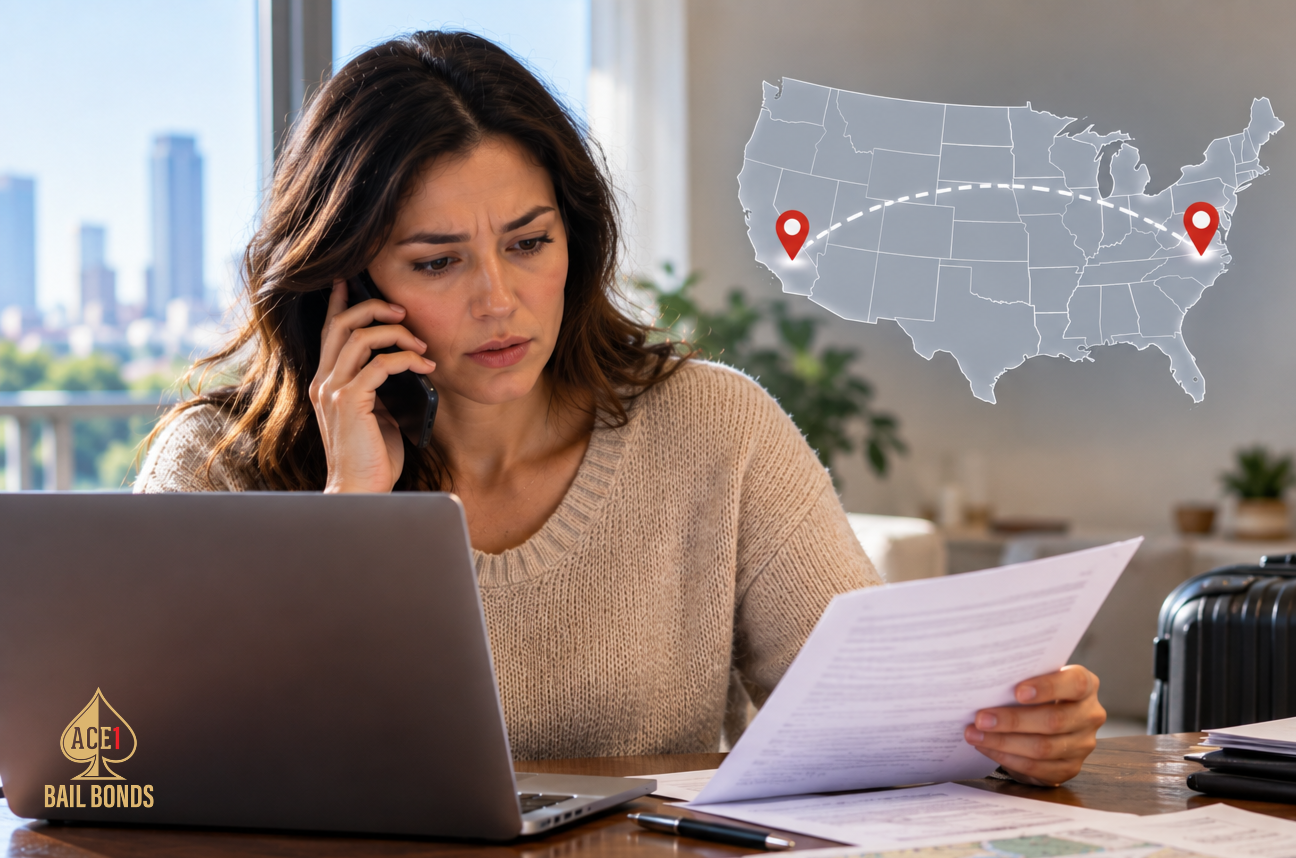
Understanding How Out-of-Area Bail Works
If someone you know gets arrested far from home, you might wonder if you can bail them out from where you are. Good news: you usually can. The bail process allows someone to be released while their case proceeds, and distance typically isn't a barrier. What’s crucial are the jail location, court requirements, bond type, and getting the right info to the right people quickly.
Handling this from afar can feel daunting, but you’re not alone. Local experts can assist with paperwork, payment options, and steps for release, including bail bond services that help families during urgent times. If you're still figuring things out, check out our guide on what to do when a loved one is arrested.
Bail rules differ by place, so always verify with the jail and court. For general info on the legal process, the U.S. Department of Justice offers public information on pretrial release and the justice system at justice.gov. The key takeaway? Living far away usually doesn't stop you from posting bail, but it makes speed and organization more important.
Can You Bail Someone Out From Another City or State?
Yes, but the jail and court rules still control the process
In most cases, you can help post bail even if you aren't physically near the jail. The bond is tied to the defendant's case, not the family member paying it. So, a spouse, parent, or friend from another area can still coordinate release. However, the jail might require specific paperwork, approved payment methods, or notarized documents before processing the bond.
Distance can complicate things, but it doesn’t eliminate the right to seek release. Common delays happen from missing case numbers, unclear booking info, or not knowing if the jail takes cash, surety bonds, or both. If you're unsure what info to gather first, our article on what you need to know before calling a bail bondsman explains what helps avoid setbacks.
Why local knowledge matters more than location
Even if you’re paying from elsewhere, the local jail's rules determine how fast release happens. Each facility has its own paperwork flow, staffing schedule, and processing time. Some require direct verification before release, while others may need the bond posted at the jail or courthouse. That's why working with a team that knows the local system can save time and reduce stress.
Families often think money is the hardest part. In reality, it’s coordination. A well-organized approach can make a big difference, especially when you're trying to move quickly after an arrest. For more on why speed matters, see why moving fast after an arrest can make things easier.
How the Bail Process Usually Works Across Distance
Step 1: Confirm the arrest details
First, confirm where the person is held. You need the exact jail name, booking number if available, the defendant's full legal name, and the charges or case number. Without these, even the fastest payment method can stall. If the arrest happened in another state, double-check the county and facility since some areas have several jails with similar names.
It’s also smart to note the jail's phone number and visiting or bonding hours. Some process bonds 24/7, while others have specific transaction windows. Knowing these early can help you avoid frustration and repeated calls.
Step 2: Find out what type of bail is required
The court may set cash bail, surety bail, or another type of pretrial release. Cash bail usually means paying the full amount, while a surety bond lets a licensed agent post bail for a percentage of the total. Many families use bonds to avoid tying up large amounts of cash while waiting for the case to move through the system. If cost is a concern, our post on steps you can take if bail feels unaffordable can help you think through options.
According to the United States Courts, pretrial release decisions mix legal and practical considerations. That’s why it helps to know if the bond must be posted locally or if a remote family member can complete the process through an agent. Often, a bond professional can explain the route that fits the jail's requirements and the family's timeline.
Step 3: Complete payment and paperwork
If you're out of town, paperwork might be handled electronically, by fax, by email, or in person depending on local rules and the bond company’s procedures. Accuracy is crucial. A misspelled name, wrong birth date, or incorrect case number can delay release longer than expected. Have your ID ready and ensure the payment method is accepted before committing.
Also, prepare for some follow-up communication. One person might handle the jail, another the bond paperwork, and the defendant’s attorney might be involved in release decisions. Families who stay organized usually face less confusion and fewer repeated delays.
What Makes Out-of-State Bail More Complicated?
Different laws and procedures
Crossing state lines can introduce different statutes, court practices, and administrative rules. A bond common in one state might be different in another. Even terminology can vary, so families should avoid assuming the process is the same everywhere. The best approach is to ask direct questions and verify each step before sending money or signing forms.
Because state systems vary, working with a resource that explains the process in plain language is helpful. If the case is in New York and you need local support, our Downtown Goshen team helps families understand what happens next and how to move forward quickly. Local support can make remote coordination much easier.
Timing, travel, and time zones
Sometimes the issue isn't the law but the clock. A family member on the West Coast might be helping someone arrested on the East Coast, meaning calls, paperwork, and approvals happen on different schedules. Even if the bond is posted quickly, the jail still has to process the release, which can take extra time. If the arrest happens late at night or on a weekend, release might depend on staffing and facility procedures.
That’s why many families look for 24/7 help. If someone is in custody, the gap between posting bail and release can be stressful, especially when arranging transportation and lodging from afar. In those cases, a steady plan matters as much as a fast payment.
Financial and communication challenges
Families often underestimate how hard it is to coordinate a bond when everyone is in different cities. A relative might be willing to help but unsure about the cost, and another might not understand the difference between a bond premium and the full bail amount. Clear communication is essential. You should know the payment schedule, collateral requirements, and court appearance expectations before signing anything.
It’s also smart to keep one person in charge of gathering info. Too many calls from different people can create confusion and slow down the process. A single point of contact keeps things organized and helps the bond move more efficiently.
Smart Steps to Take Before You Post Bail
Gather the right information first.
Before making a payment, collect the defendant’s full legal name, date of birth, booking number, jail location, and the charges involved. If you can, ask for the bail amount and the court or docket number. Having this info ready reduces delays and helps the bond professional confirm the correct file. Families who prepare early usually save time during the most stressful part of the process.
If you're unsure what documents or details are needed, our guide to must-have documents for posting bail covers the basics. Clear paperwork is especially important when coordinating from afar because there's less room for in-person correction.
Ask about payment options and collateral
Not every family can pay the full bail amount, and not every case requires it. Ask if the bond company offers payment plans, what percentage is due upfront, and if collateral is required. Collateral rules can vary depending on the bond amount and perceived risk. Some families prefer discussing those terms in advance to avoid surprises later.
It also helps to ask how quickly the bond can be processed after payment. In some cases, same-day posting is possible. In others, the jail might take several hours to complete release procedures. A realistic timeline can help family members arrange rides, housing, and work schedules.
Keep the defendant’s attorney in the loop
While a bondsman handles release logistics, the attorney helps with the legal defense. These are different roles but work best when aligned. The attorney may know if there are court dates, no-contact orders, or special conditions that affect the release process. If the defendant isn’t represented yet, the family might want to contact counsel soon so everyone understands the next steps.
For many families, the smartest approach is a coordinated one: verify jail details, confirm bond terms, and work with counsel to ensure the defendant knows what happens after release. That helps reduce confusion and supports a smoother return home.
How to Avoid Common Mistakes When Posting Bail Remotely
Do not rely on secondhand information
One big mistake families make is trusting incomplete details from social media, texts, or rumors. Jail procedures must be confirmed through official channels. A wrong facility name or outdated bond amount can waste valuable time. When release is urgent, verify everything directly before acting.
It’s also wise to avoid sending money before bond terms are clearly explained. Ask exactly what the payment covers, what happens if the case changes, and if the jail requires anything else before the defendant can leave custody. Clarity upfront prevents unnecessary stress later.
Do not wait too long to ask questions
Families sometimes hesitate because they're embarrassed, overwhelmed, or afraid of making the wrong choice. But delay can be costly. A quick call can clarify if the bond can be posted, what the timeline looks like, and if there are location-specific steps to follow. If you’re deciding who should make that first call, our guide on who to call first after an arrest can help you prioritize.
The sooner you understand the process, the more likely you are to avoid unnecessary detention time. That matters not just for comfort but also for work, family obligations, and legal prep. People often feel calmer once they have a concrete plan.
Do not overlook release conditions
Posting bail is just part of the process. The defendant might still need to follow release conditions like travel restrictions, check-ins, drug testing, or court attendance. If those conditions are violated, the court might revoke the bond or issue a warrant. Families should know these expectations before release to help the defendant stay compliant.
To understand what can happen if a court date is missed, read what happens if you miss a court date while out on bail. Knowing the consequences ahead helps everyone focus on the long-term case, not just immediate release.
Real-World Examples of Out-of-Area Bail
A parent helping from another state
Imagine a parent in Pennsylvania whose adult child is arrested while visiting New York. The parent might not get to the jail right away, but they can still coordinate the bond by phone, email, or electronic paperwork. Once details are confirmed, the bond can usually be posted without the parent ever entering the facility. The key is identifying the correct defendant and following the jail’s rules.
This situation is common and shows why local coordination matters. If the jail is near Goshen, families often benefit from a local contact who understands the release process and can help avoid delays. A bond is not just financial; it's a communication bridge between family members and the facility.
A sibling helping from across the country
Another common scenario involves a sibling living several states away. They might contribute to the bond premium but need to know what documents are required and how to pay securely. In these cases, logistics are usually the biggest obstacle, not eligibility. Once the family has jail details and bond terms, the process becomes more manageable.
If the person is still in custody and time matters, families should keep communication lines open and avoid unnecessary back-and-forth. The faster info is verified, the quicker release can move through the system. That's especially important when transportation home requires a long drive or overnight stay.
When to Get Local Help Right Away
If the jail is difficult to reach
Some jails are straightforward; others aren't. If the jail doesn’t respond quickly, paperwork is confusing, or the bond amount seems off, it’s time to bring in local help. A bond professional who knows the facility’s workflow can often resolve issues faster than a family member calling from out of state. This is valuable during nights, weekends, or holidays.
For direct, local support, Ace1 Bail Bonds offers in-court assistance and guidance to help families stay organized when the process feels unpredictable. The goal is not just to post bail but to help people understand what comes next and reduce avoidable mistakes.
If you need fast release with fewer surprises
Speed matters, but speed without accuracy can cause problems. A trusted local team can confirm jail requirements, explain bond terms, and work through release steps to fit the facility’s expectations. That mix of urgency and attention to detail is often what families need most.
If you’re near Goshen and need a fast-moving team, Ace1 Bail Bonds provides support at Downtown Goshen. Local experience matters when the case is active and time is ticking.
Frequently Asked Questions About Out-of-State Bail
Can I post bail if I live far away?
Yes, often you can. The key is confirming the jail’s rules and ensuring the correct paperwork and payment method are used. Distance usually doesn’t stop bail from being posted.
Do I need to go to the jail in person?
Not always. Some facilities allow remote coordination, while others require specific in-person steps. A bond professional can help determine if you need to appear physically or if the process can be handled from afar.
How long does release take after bail is posted?
Release time varies by jail, staffing, and case details. Some people are released quickly, while others wait longer for processing. For a deeper look at that timeline, see our expert guide to release times after bail is posted.
What if the defendant has to travel after release?
Travel conditions depend on the court. Some defendants may have restrictions, so it’s important to understand those terms before planning a trip home. Always confirm that travel won’t violate release conditions.
Final Thoughts: Distance Does Not Have to Delay Help
Bailing someone out from another city or state is often possible, but it works best when you stay organized, ask the right questions, and verify every detail early. The jail, court, and bond terms all matter, and each can affect how fast release happens. When family members are spread out across different locations, clear communication becomes just as important as the payment itself.
If you’re facing this situation now, don’t wait until the process becomes more confusing. Review the jail info, gather the necessary documents, and get help from a team that understands both the legal steps and the human side of the situation. For dependable guidance, call Ace1 Bail Bonds at (845) 926-3460 or visit new-york-bail-bonds.com to learn more. If you’re in the area, you can also reach us at 51 Greenwich Ave, Goshen, NY 10924, USA, for local support that helps families move forward with confidence.
When someone you care about is in custody, every hour matters. The right help can make the difference between feeling stuck and having a clear plan. If you need that plan now, reach out and let a knowledgeable team guide you through the next step.