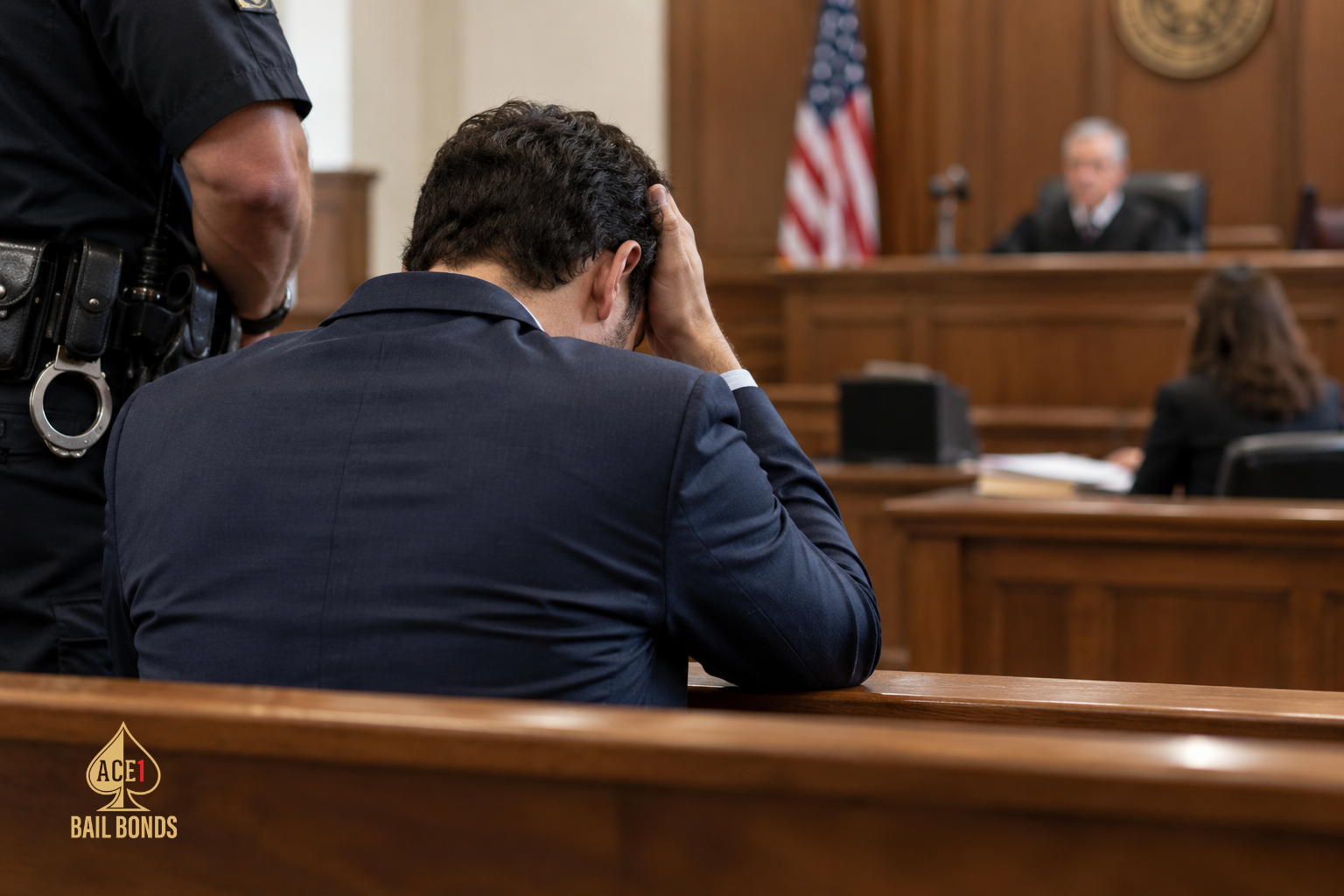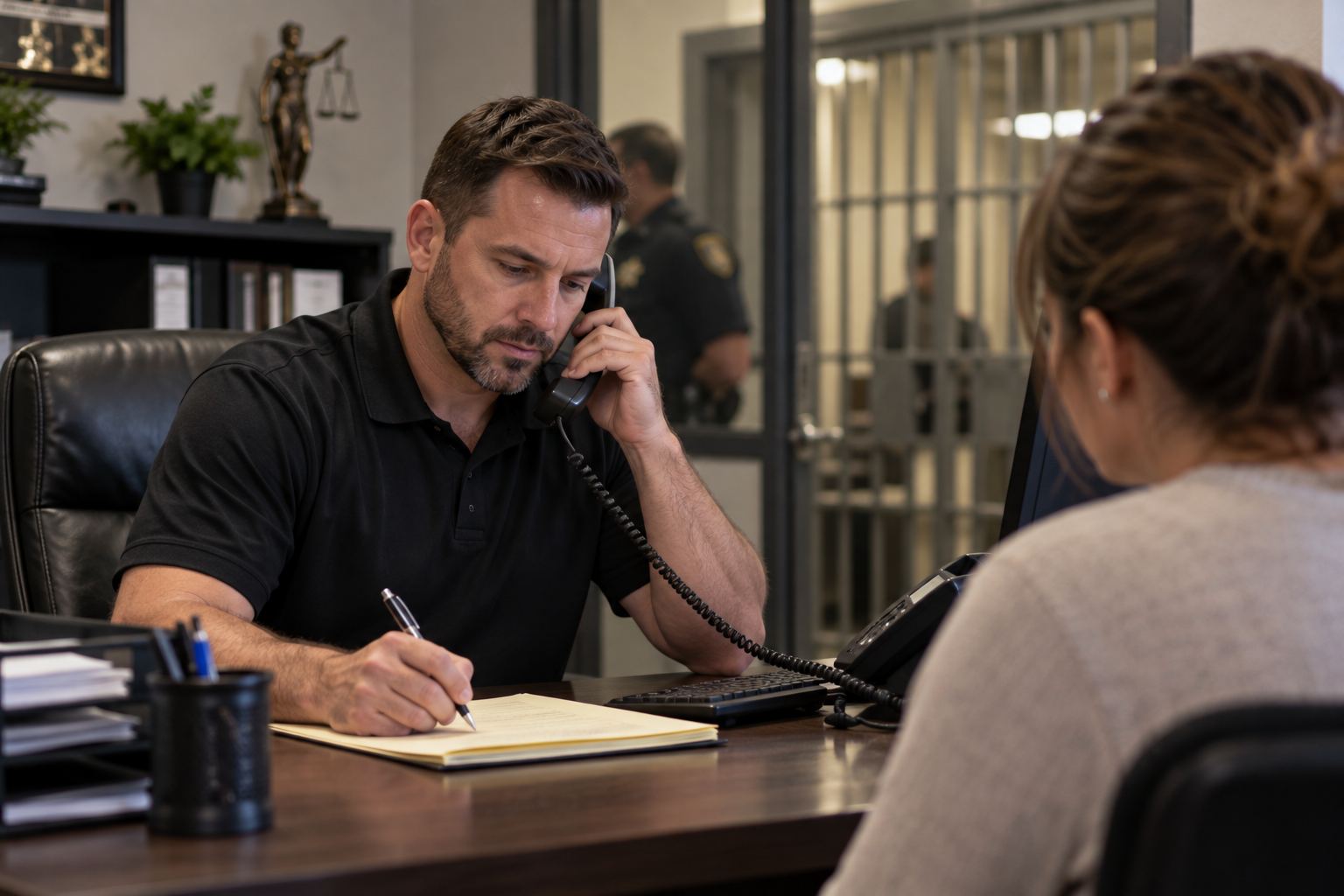
Walking into court without knowing what to expect can be overwhelming, especially when your freedom, family, or future is on the line. Many folks aren't so much worried about the legal facts as they are about the process: where to stand, when to speak, how to dress, what documents to bring, and how to respond when the judge asks a question. That uncertainty can make an already stressful day feel even heavier, which is why many people look for steady in-court assistance in Goshen, NY when they need some structure and support. For families who also need help with bail, our bail bond services can help create a smoother path from arrest to court date.
This guide explains how in-court assistance works, what it can and can't do, and why being prepared matters so much. It also shows how a calm, organized approach can reduce mistakes and help you feel more confident in the courtroom. In criminal matters, court procedures can move quickly, and simple missteps can create confusion or delay. That's why practical guidance, paired with timely legal advice from a qualified attorney, is so important. If you're new to the process, you may also find our courtroom support service helpful when you need someone to help you stay focused and prepared.
According to the U.S. Courts self-represented litigants resource, many people enter court without prior experience, so having clear expectations can make a real difference. Court isn't just about facts and evidence; it's also about timing, etiquette, and following instructions carefully. The better prepared you are, the easier it becomes to present yourself respectfully and avoid unnecessary errors.
Why Court Can Feel So Confusing
Procedures move fast
Courtrooms often run on a schedule that's unfamiliar to anyone who doesn't work in the system every day. Cases might be called quickly, delayed unexpectedly, or moved around based on the judge’s calendar. For a first-time defendant or a worried family member, that pace can be disorienting. A person who arrives without a plan may miss important instructions simply because they're trying to absorb too much at once.
The rules are often unwritten to the public.
Even when courtroom rules are posted or explained, many of the most important expectations are learned through experience. For instance, when to stand, when to speak, and how to address the judge can vary by courtroom culture and case type. The legal system expects people to follow these norms, even if they've never been taught them before. A supportive guide can help reduce that learning curve and make the day feel more manageable.
Emotions can affect memory and judgment.
Fear, embarrassment, and uncertainty can make it harder to remember what the attorney said or what the next step is. People might forget paperwork, speak too quickly, or miss a call to approach the bench. Stress doesn't mean someone is unprepared in character; it simply means the moment is intense. Good preparation helps create enough structure so that emotions don't take over the entire experience.
What In-Court Assistance Actually Includes
Arrival planning and organization
One of the biggest benefits of in-court assistance is having a plan before you even enter the building. That can include helping you understand arrival time, identifying where to check in, and making sure you bring the right documents. When people know the basic logistics, they're far less likely to panic. Even small details, like having a pen, identification, and copies of key paperwork, can prevent avoidable problems.
Understanding courtroom behavior
In-court assistance also helps explain the practical side of courtroom behavior. This may include guidance on when to stand, how to address court staff, and how to wait for your case to be called. It can also involve reminders about silence, phone use, and the importance of being respectful at all times. These details might seem simple, but they can strongly influence how a person is perceived in court.
Support with paperwork and next steps
After a hearing, many people leave with questions about what happened and what comes next. In-court assistance can help you stay organized so you understand the next hearing date, any required conditions, and how to prepare for future appearances. It's not a substitute for an attorney, but it's a practical layer of support that can reduce confusion. If your situation involves release timing or bond paperwork, our What to Expect Right After You Post Bail article may also help you understand the process that follows.
How Preparation Helps You Feel More Confident
Confidence starts before the hearing.
People often think confidence in court comes from being naturally calm, but in reality, it usually comes from preparation. When you know where to go, who to contact, and how to respond, you're less likely to freeze. That preparedness doesn't eliminate stress, but it makes the stress easier to manage. A prepared person is better able to listen, follow instructions, and stay focused on the matter at hand.
Preparation reduces avoidable mistakes.
Many courtroom issues are not caused by bad intentions. They happen because someone forgot a date, arrived late, brought incomplete paperwork, or misunderstood the order of events. A little guidance can prevent those avoidable errors. For a deeper look at how missed appearances can complicate a case, read our guide on missing a court date while out on bail.
Preparation helps families support each other
Courtroom stress doesn't affect only the defendant. It can also create worry for spouses, parents, siblings, or close friends who are trying to help. When everyone understands the schedule and expectations, the entire family can respond more calmly. That shared understanding often reduces last-minute confusion and makes the day feel less chaotic.
What to Expect During a Typical Court Appearance
Checking in and waiting
Most court days begin with check-in and waiting, which can be one of the most difficult parts for anxious people. A hearing may not start exactly when expected, and that waiting time can create tension if you're unprepared. It helps to arrive early, stay close to your assigned courtroom, and avoid wandering off. The goal is to be ready when your name is called, not to guess the timing.
Speaking when directed
In many cases, the judge will address the attorney first, then the defendant, and sometimes family members are asked to remain quiet unless specifically invited to speak. This is why it's so important not to interrupt or try to guess when to answer. The safest approach is to listen carefully and answer only when directed. A calm, respectful tone can make the entire process smoother.
Leaving with clear instructions
When the hearing ends, you may receive a new date, a condition of release, or instructions about what happens next. People sometimes leave court without fully understanding those details because they are relieved the hearing is over. That's why it helps to write things down immediately and confirm anything unclear with your attorney. If you're trying to understand release timing and the days that follow, our release-time guide after bail is posted is a useful companion resource.
Practical Tips for Getting Ready
Gather the right documents.
Documents matter because they help confirm identity, case details, and contact information. Bring anything your attorney or bail agent told you to bring, and make sure you know where to find your paperwork. A simple folder can keep everything together and prevent panic at the courthouse door. If you're unsure what is required, our document checklist for posting bail can give you a practical starting point.
Dress and act appropriately
You don't need expensive clothing to make a good impression, but you should dress neatly and conservatively. Clean, simple clothing shows respect for the court and keeps attention on the matter, not the outfit. The same principle applies to behavior: speak clearly, remain calm, and avoid arguing in the hallway or courtroom. The general courtroom etiquette guidance from Nolo straightforwardly explains many of these basics.
Plan transportation and timing.
Transportation issues are one of the most common reasons people feel rushed on court day. If possible, arrange your ride in advance and build in extra time for parking, security screening, and check-in. If you're coming with family, decide ahead of time who will drive, who will carry documents, and who will stay in contact with the attorney. A dependable plan can make a stressful day much more predictable.
How In-Court Assistance Works With Other Bail and Court Services
It connects release and follow-through.
Posting bail is only one part of the process. After release, the defendant still has to show up prepared and comply with court requirements. That's where in-court assistance fits naturally into the bigger picture. It helps bridge the gap between getting out and staying organized for the next stage. Families who want a broader overview can also review our simple guide for what to do when a loved one is arrested.
It supports communication with the legal team.
When court information is confusing, communication can break down quickly. A person may forget to tell their lawyer about a new date, misunderstand a condition, or miss an important deadline. In-court assistance helps reduce those gaps by reinforcing the key details. That support is especially valuable when cases involve repeated appearances or changing schedules.
It can ease the pressure on families.
Many families feel overwhelmed because they're trying to manage work, childcare, transportation, and legal deadlines all at once. In-court assistance doesn't remove the legal process, but it can make the process feel less chaotic. Clear next steps help everyone focus on what matters most. When release support is also needed, our bail bond services can work alongside that preparation to keep things moving.
Common Mistakes People Make in Court
Arriving without understanding the schedule
One of the biggest mistakes is arriving at court with no clear sense of when or where the case will be heard. That can lead to confusion, missed announcements, or unnecessary stress. Even if the hearing is delayed, you should remain nearby and available. A few minutes of extra patience can prevent a much bigger problem.
Talking too much or too soon
Some people try to explain everything at once because they're nervous. Unfortunately, speaking out of turn can interrupt the process and create more confusion. It's better to answer only when asked and keep responses concise unless your attorney instructs otherwise. This is another area where prior guidance can make a real difference.
Ignoring follow-up instructions
Court ends only when you leave the courtroom, but the obligations often continue afterward. You may need to return on a specific date, follow a curfew, or provide documents. Missing those instructions can create larger legal issues later. If bail is part of your case and you're worried about affordability, our guide to what to do when bail feels unaffordable can help you think through the next options.
When to Seek Professional Help
If you feel anxious or overwhelmed
Not everyone needs the same level of support, but if court anxiety is making it hard to function, it's wise to ask for help. When a person feels too stressed to keep track of dates or directions, they're more likely to make mistakes. Support can help restore order and reduce the chance of avoidable setbacks. That's often the moment when practical courtroom guidance becomes most valuable.
If your case has multiple moving parts
Cases involving bail, repeated hearings, strict conditions, or family coordination can become complicated quickly. The more moving parts there are, the more important it is to stay organized. If you're unsure how to prepare before calling for help, our What to Know Before Calling a Bail Bondsman article can help you gather useful information first. For people who want additional courtroom-focused guidance, our in-court assistance service offers practical support during this part of the process.
If you want to avoid simple but costly errors
Sometimes people seek help not because the case is unusual, but because they don't want to make a preventable mistake. That's a smart reason to ask for support. Missing a check-in, arriving late, or misunderstanding a hearing date can create consequences that are much bigger than the original error. A little preparation can save a great deal of stress later.
Frequently Asked Questions About Courtroom Support
Do I still need a lawyer if I have in-court assistance?
Yes. In-court assistance is practical support, not a replacement for legal representation. An attorney handles legal strategy, advice, and advocacy, while courtroom support helps you stay organized and prepared. Both can be valuable, but they serve different purposes.
Can family members come to court too?
In many situations, family members may attend, but they should follow the court’s rules and remain respectful. It's helpful for family to know when to speak and when to stay quiet. Their presence can be comforting, but they shouldn't interrupt proceedings or create distractions.
What if I don't understand something the judge says?
If you don't understand something, pay close attention and let your attorney help clarify it afterward. Don't guess, and don't leave the courtroom without understanding the next step. A follow-up conversation can prevent confusion and help you comply correctly. For broader legal context and procedural rights, the USA.gov legal aid resource is a useful public reference point.
Moving Forward With Confidence
Small steps can make a big difference
Feeling prepared doesn't mean feeling fearless. It means knowing enough to move through court with more control and less confusion. Small steps like organizing documents, arriving early, and understanding the schedule can make the whole experience more manageable. Those steps can also help you communicate better with your attorney and family.
Support is about clarity, not drama.
People often wait until they're panicked to ask for help, but the better approach is to seek clarity early. Court is serious, but it becomes more manageable when you have a plan. That's the value of steady, practical support: it turns uncertainty into a series of clear actions.
Know where to turn next.
If you're facing court and need a calmer, more organized experience, Ace1 Bail Bonds is here to help with guidance that keeps the process understandable. Whether you need help with release, courtroom preparation, or next steps after a hearing, our team can point you in the right direction. If you're ready to talk through your situation, call (845) 926-3460, email rosnyoi@gmail.com, or visit us at 51 Greenwich Ave, Goshen, NY 10924, USA. When you're prepared, the courtroom feels less confusing, and the road ahead feels more manageable.